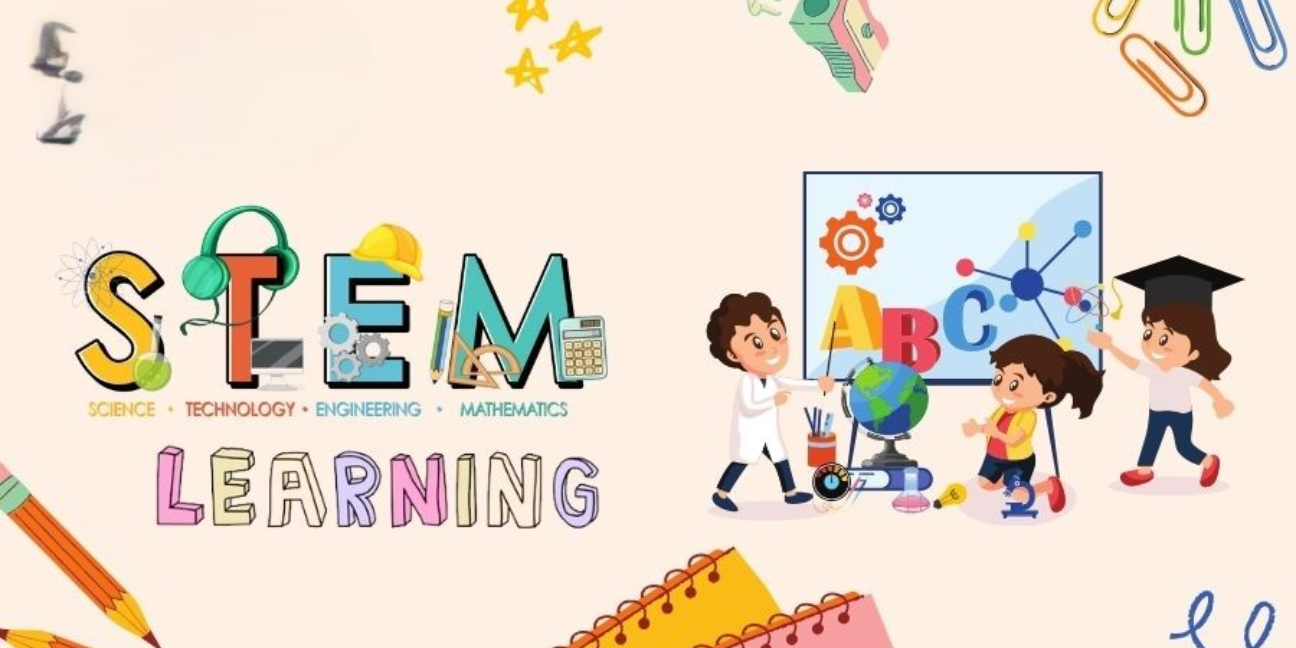
Many people mistakenly believe that STEM (Science, Technology, Engineering, and Math) is only for older students, engineers, or scientists. However, the foundation of STEM education is actually laid during early childhood.
At University Cambridge School, we don’t just view STEM as a group of subjects; we see it as a way of thinking that polishes a child’s natural curiosity and problem-solving abilities.
What Exactly is STEM in Early Childhood?
In the early years, STEM isn't about reading complex textbooks. It is about exploring the world through play and inquiry.
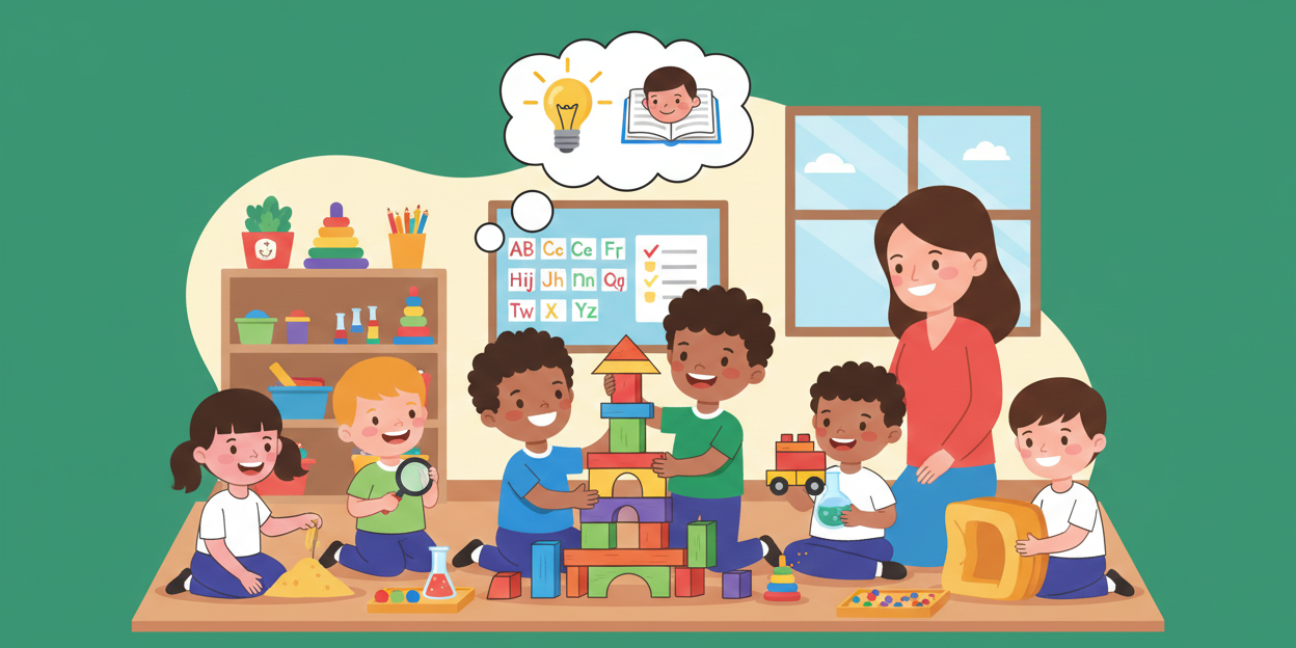
- Science: Observing the natural world (e.g., how plants grow or why it rains).
- Technology: Learning to use tools effectively, not just tablets, but also scissors, magnifying glasses, or pulleys.
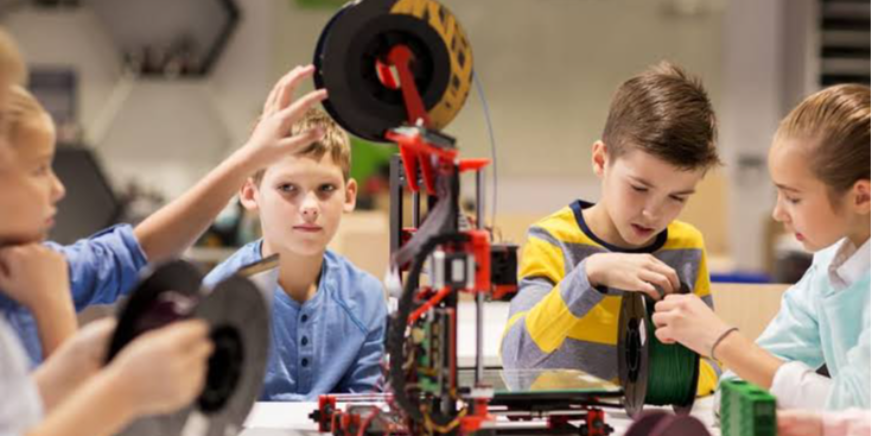
- Engineering: Designing and building things to solve a problem (e.g., constructing a bridge from blocks that doesn't collapse).
- Math: Understanding numbers, shapes, patterns, and spatial relationships.
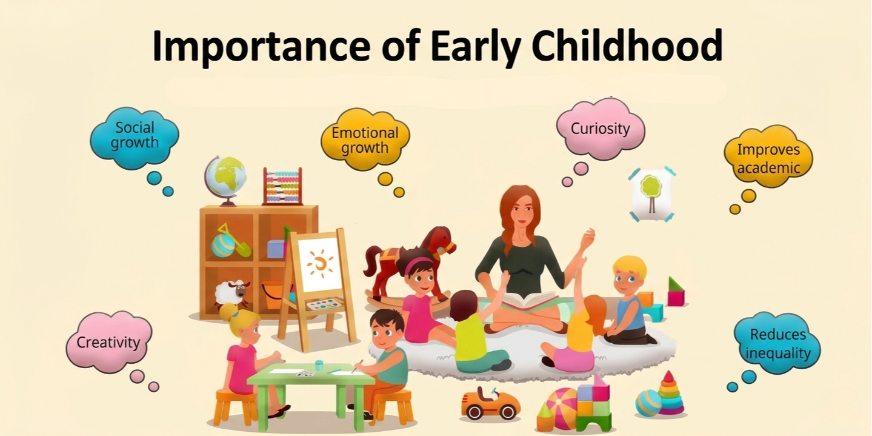
Why STEM Education Matters Early On
Introducing STEM during the formative years provides several lifelong benefits:
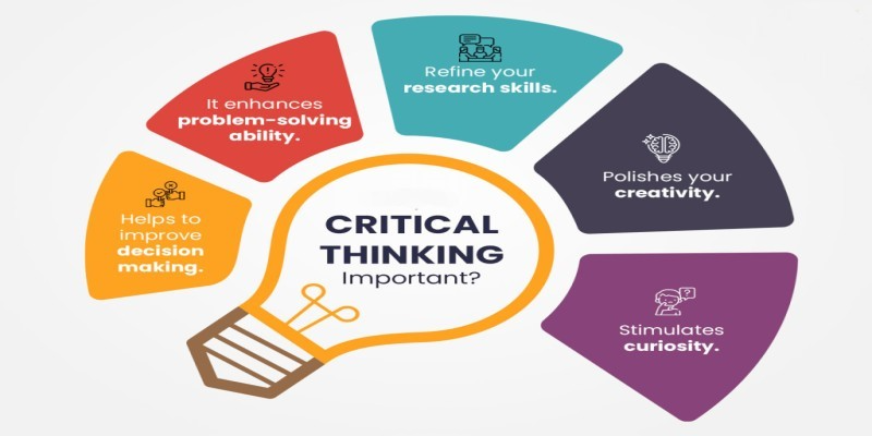
- Critical Thinking: Children learn to ask "why" and "how," moving beyond simple memorization.
- Resilience and Problem Solving: If a block tower falls, a child learns to analyze the failure and try a better method. This builds "grit."
- Future Readiness: In the tech-driven world of 2026, logical thinking and digital literacy are essential survival skills for any career path.
The University Cambridge School Approach
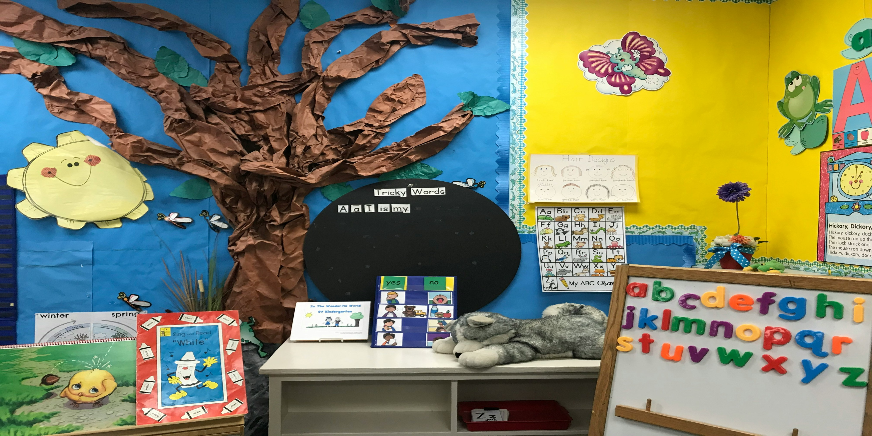
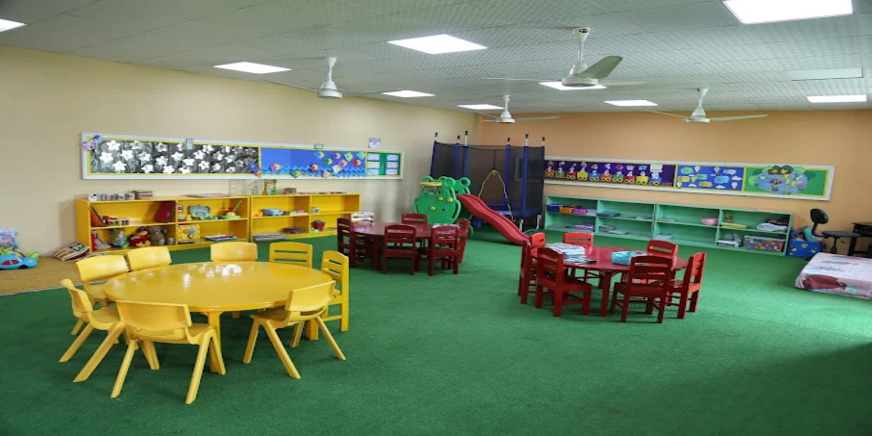
At UCS, we have designed our curriculum to turn every classroom into a mini-laboratory. We move away from "rote learning" and toward "inquiry-based learning." Our teachers guide students through hands-on projects that spark their imagination and encourage them to test their own ideas.
If you want to see how we prepare our youngest learners for a bright future, we invite you to explore our Admission process.
How Parents Can Promote STEM at Home
You don’t need a high-tech lab to encourage STEM learning at home. Simple daily activities can make a huge difference:
- In the Kitchen: Let your child help with measuring ingredients. This is a practical lesson in Math and Chemistry.
- In the Garden: Observe insects or plant seeds. Discuss what a plant needs to survive.
- Building Toys: Encourage the use of Legos, puzzles, and gears to develop spatial and engineering skills.
Investing in Tomorrow, Today
STEM education is more than a trend; it is a necessity. A child who learns to question, experiment, and analyze at a young age will grow up to be an innovator in any field they choose.
At University Cambridge School, we are committed to being your partner in this journey of discovery. For more information or to schedule a campus visit, please Contact Us today.